A Seasonal Juicing Calendar for Fresh Ingredients All Year
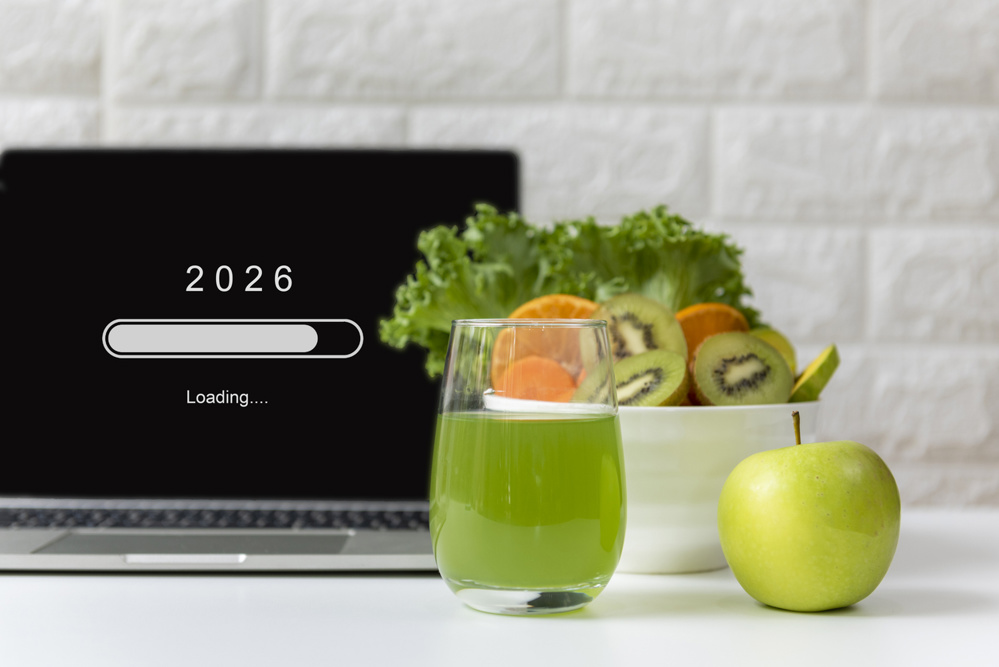
Juicing has evolved far beyond a simple health habit. What once lived quietly in wellness circles has now become a visible part of modern lifestyle culture—appearing in morning routines, TikTok recipes, and curated “what I eat in a day” videos. Today, a glass of juice isn’t just about nutrition; it’s about identity, aesthetics, and participation in a broader cultural moment.
A seasonal juicing calendar brings structure to that trend. Instead of relying on the same ingredients year-round, it aligns your blends with what’s naturally available—citrus and roots in winter, greens in spring, hydrating fruits in summer, and rich produce in fall. The result isn’t just better flavor—it’s a more intentional way of engaging with food, one that reflects both natural cycles and modern lifestyle habits.
Why Seasonal Juicing Beats Year-Round Grocery Store Produce
When you juice with seasonal produce, you're getting fruits and vegetables at their nutritional peak—harvested at full ripeness, loaded with vitamins, antioxidants, and phytonutrients that off-season grocery store produce simply can't match. Long transportation and storage degrade nutrients before grocery items even reach your kitchen.
Choosing local varieties strengthens nutrient retention because produce travels shorter distances and skips artificial ripening techniques that compromise quality. Store-bought juices make things worse—pasteurization destroys enzymes and vitamins, while added sugars and preservatives dilute any remaining benefits. There's also the fiber trade-off to contemplate.
Whole seasonal produce delivers complete phytonutrients supporting heart health, gut function, and inflammation reduction. Juicing is worthwhile, but pairing it with whole seasonal foods guarantees you're capturing every nutritional advantage nature provides. Observing practices like environmental stewardship encourages consumers to think more consciously.
The Four-Ingredient Formula Every Seasonal Juice Follows
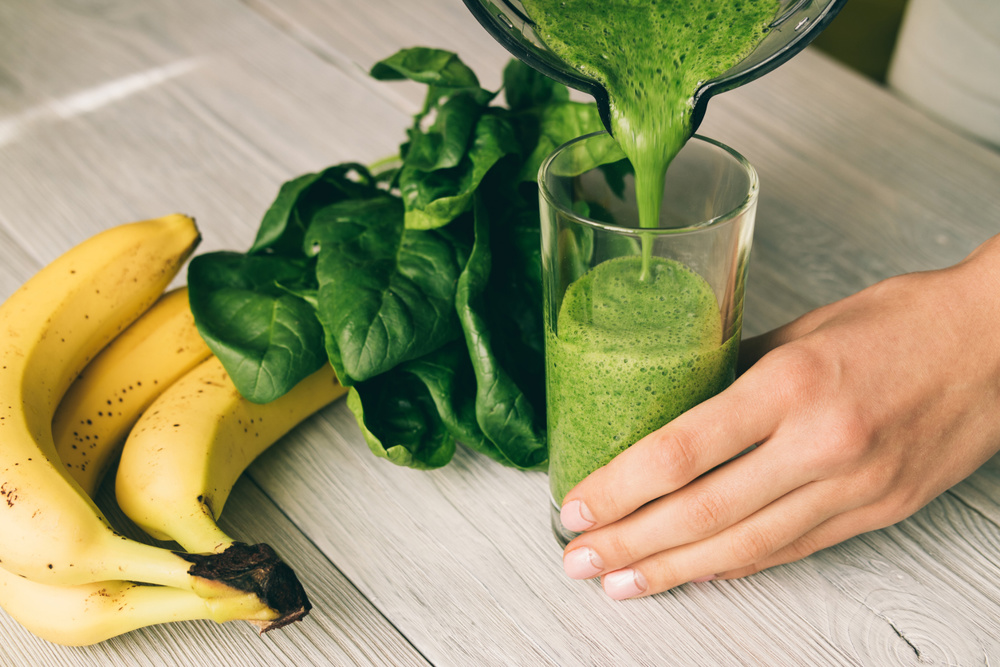
Mastering seasonal juicing comes down to one repeatable framework: a base vegetable for hydration and bulk, a leafy green for vitamins and minerals, a citrus element for tartness and vitamin C, and a root or spice for anti-inflammatory support. You can add coconut water or cranberry juice for flavor balancing and extra nutrients.
For prep shortcuts, finely chop vegetables beforehand and cut lemons lengthwise to maximize juice extraction. Blend on high for 30 to 45 seconds until smooth, then strain through a fine sieve for a cleaner texture. When scaling your recipe for larger batches, using a cooking conversion calculator ensures your ingredient ratios stay precise without guesswork.
For serving temperatures, add frozen fruit or ice for a chilled finish. Use airtight containers for storage hacks that keep your juice fresh up to 48 hours without significant nutrient loss. Coconut water is particularly effective in juice blends for its ability to target inflammation while supporting overall hydration.
Winter Seasonal Juicing With Citrus, Roots, and Immune Support
Winter juicing reflects the season’s slower pace and heavier meals. Ingredients like oranges, grapefruits, carrots, and beets dominate, creating blends that feel grounding and rich.
Citrus fruits bring brightness to otherwise dense combinations, while root vegetables add depth and natural sweetness. Ginger and turmeric are often included—not just for flavor, but because they complement the warmth associated with winter recipes.
On social media, winter juices often appear as part of structured routines—morning rituals that emphasize consistency and self-care. The aesthetic shifts as well: darker tones, warmer lighting, and a focus on comfort rather than vibrancy. Juicing during this season becomes less about experimentation and more about stability, reflecting the mood of the time.
Spring Seasonal Juicing to Reset Your Body After Winter
As winter fades, spring offers your body a natural reset—warmer temperatures signal a shift toward lighter eating, raw foods, and targeted juice cleanses that help flush the toxins and metabolic waste that heavier winter meals leave behind. Your metabolism naturally activates during this changeover, and juice fasting redirects up to 70% of digestion energy toward cellular repair and detoxification.
For liver nourishment, prioritize spinach, asparagus, celery, dandelion greens, and berries—spring's most potent cleansing produce. Add cruciferous vegetables like broccoli and cabbage to amplify detox benefits, and supplement with lemon water, spirulina, or chlorella. Keeping juices vegetable-heavy over fruit-dominant limits sugar while maximizing nutrients.
Within days, you'll notice stabilized blood sugar, reduced inflammation, improved hydration, and renewed energy as your body sheds winter's burden. Herbal teas such as dandelion, milk thistle, and peppermint further support this process by aiding liver and digestive detoxification.
Explore how to build your own juicing calendar to stay consistent with your wellness.
Summer Seasonal Juicing for Hydration and Skin Health
Summer brings a new juicing priority—while spring focuses on cleansing and cellular reset, the hotter months demand deep hydration and skin protection against sun exposure and heat stress. Your hydration rituals should center on watermelon, cucumber, and coconut water, all delivering electrolyte boosters that replenish what sweat strips away.
Melon smoothies blended with strawberries and lime supply lycopene and anthocyanins, creating natural sunscreen synergy that shields skin cells from UV-triggered oxidative damage. Add carrots and oranges for beta-carotene and vitamin C, both accelerating collagen production and reducing fine lines. Ginger and turmeric further improve circulation for visibly firmer, radiant skin.
Summer's peak produce—mangoes, cherries, celery, and citrus—gives you everything your skin needs during its most demanding season. Fresh juices also work from the inside out to prevent dryness and flakiness by keeping skin hydrated through nutrition, complementing your topical summer skincare routine.
Fall Seasonal Juicing With Apples, Beets, and Cranberries
Fall brings a noticeable shift—not just in temperature, but in how flavors are experienced. After the brightness of summer, juicing moves toward ingredients that feel deeper, richer, and more layered. Apples, beets, and cranberries create blends that balance sweetness, earthiness, and tartness, often enhanced with spices like cinnamon, ginger, or clove.
This season aligns closely with what’s often described as “cozy culture.” Across social media and everyday routines, there’s a visible shift toward comfort, repetition, and atmosphere—slow mornings, warm drinks, and quieter environments. Juicing becomes part of that rhythm. Instead of quick, on-the-go blends, the process itself slows down.
There’s also a stronger connection to tradition during this time. Fall produce—apples especially—carries cultural associations with harvest, home cooking, and seasonal rituals. Incorporating these ingredients into juices creates a bridge between modern habits and long-standing food traditions, blending convenience with familiarity.
Your Month-by-Month Seasonal Juicing Calendar
A seasonal calendar simplifies juicing by turning broad seasonal ideas into something more practical and repeatable. Instead of guessing what to use, it offers a clear framework that evolves throughout the year, keeping your blends fresh without requiring constant reinvention.
- Winter (Dec–Feb): Citrus, carrots, beets, kale
- Spring (Mar–May): Spinach, celery, pineapple, herbs
- Summer (Jun–Aug): Watermelon, berries, cucumber, peaches
- Fall (Sep–Nov): Apples, cranberries, sweet potatoes, figs
Breaking this down further, each phase of the year carries its own rhythm. Early winter often leans heavily on citrus for brightness, while late winter blends begin incorporating more roots for depth. Spring starts with lighter greens and gradually expands into more varied combinations as produce becomes more abundant.
How Social Media Turned Juicing Into a Visual Lifestyle
Juicing’s rise in pop culture is closely tied to social media, where everyday habits are constantly being reshaped into visual experiences. Platforms like Instagram and TikTok didn’t just popularize juicing—they redefined it. What was once a quiet, functional routine became something performative, aesthetic, and highly shareable.
The appeal lies in how easily juicing translates visually. Bright greens, deep reds, and layered citrus tones stand out instantly on camera, making even the simplest blends feel intentional. Add in glass jars, neutral countertops, soft lighting, or a “morning routine” backdrop, and the act of juicing becomes part of a curated lifestyle moment.
Short-form video amplified this even further. A 10-second clip showing ingredients, blending, and a final pour creates a complete narrative—quick, satisfying, and easy to replicate. Viewers don’t just watch; they imagine themselves doing it. This is what turns a habit into a trend. The process becomes just as important as the outcome, and the repetition across thousands of creators builds a shared visual language around juicing.
Juicing as Identity: From Habit to Personal Branding
In today’s digital landscape, identity is often constructed through small, repeated choices—and juicing has become one of those signals. It’s not just about what’s in the glass, but what that glass represents. Over time, certain patterns have emerged, linking specific types of juices to particular lifestyle narratives.
A green juice, for example, often aligns with discipline, structure, and wellness-focused routines. It appears in early-morning content, paired with workouts, journaling, or productivity habits. On the other hand, vibrant fruit blends—think watermelon, berries, or citrus—tend to signal creativity, leisure, and spontaneity. They show up in summer content, travel clips, or relaxed, lifestyle-driven posts.
These associations aren’t accidental—they’re reinforced through repetition across platforms. As people consume this content, they begin to adopt and reinterpret it, shaping their own routines to fit into recognizable patterns. Juicing becomes a subtle but effective way to communicate values: health-consciousness, intentional living, or even aesthetic preference.
The Return of Seasonal Living in a Fast-Paced World
Modern life is defined by constant access. You can buy almost any ingredient at any time, regardless of season, location, or availability. But this convenience has also created a disconnect—between people and the natural cycles that once shaped how food was grown, prepared, and consumed.
Seasonal living has re-emerged as a response to that disconnect. It offers a slower, more grounded approach—one that prioritizes timing, availability, and awareness. Instead of choosing ingredients based purely on convenience, it encourages alignment with what’s naturally present.
Juicing fits seamlessly into this shift. Because it relies heavily on fresh produce, it naturally reflects seasonal changes. Citrus and roots dominate winter blends, leafy greens emerge in spring, hydrating fruits take over in summer, and richer, more complex ingredients define fall. This rotation creates a rhythm—one that contrasts with the constant, unchanging nature of digital life.
Conclusion
A seasonal juicing calendar is more than a guide—it’s a reflection of how food, culture, and lifestyle intersect. What you juice isn’t just about nutrition; it’s about how you engage with your environment, your habits, and the world around you.
From winter’s grounding blends to summer’s vibrant creations, each season offers a different perspective on what juicing can be. And in a time where everyday choices are increasingly visible, even a simple glass of juice can carry meaning.