How Social Media Helped Turn Juicing Into Pop Culture
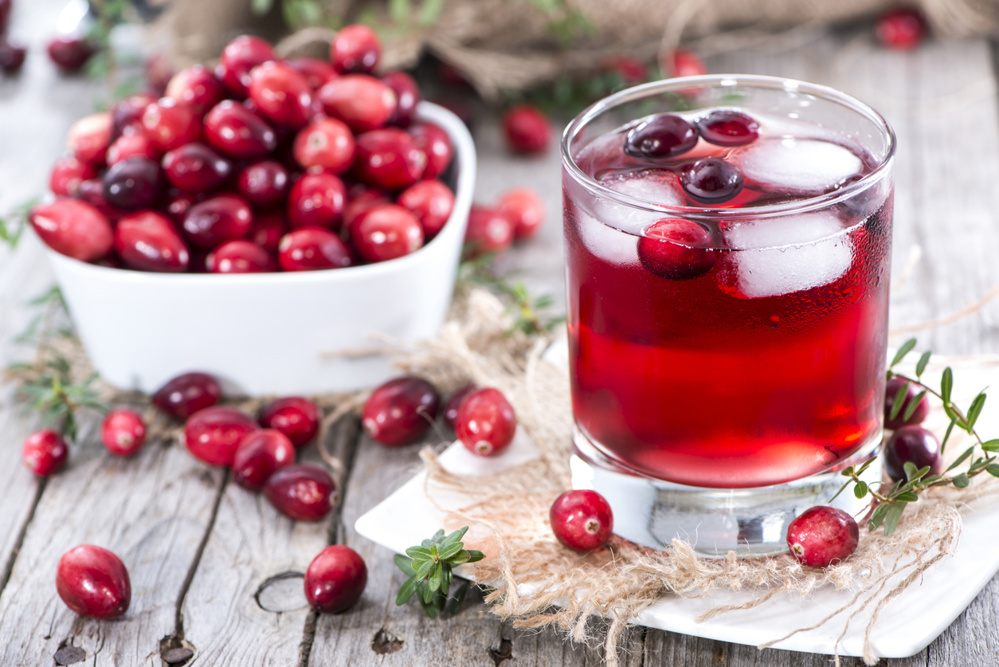
When Nathan Apodaca skateboarded to work sipping Ocean Spray Cran-Raspberry juice while listening to Fleetwood Mac’s “Dreams,” he wasn’t trying to go viral—he was just getting through his day. But that unplanned, 23-second TikTok video ended up reshaping how people think about content, branding, and even something as simple as a bottle of juice.
The clip generated tens of millions of views, revived a decades-old song, and sent Ocean Spray products flying off shelves. What made it powerful wasn’t production value or strategy—it was relatability. In an era saturated with polished content, audiences responded to something that felt effortless and real.
How One Skateboarding Video Made Cranberry Juice Famous
In October 2020, a simple video of Nathan Apodaca skateboarding down a highway, sipping Ocean Spray Cran-Raspberry juice to Fleetwood Mac's "Dreams," took off on TikTok after his truck broke down and he couldn't afford a ride. That moment of viral serendipity turned an ordinary beverage into beverage folklore almost overnight.
You could watch the #DreamsChallenge spread across demographics, pulling in police officers, celebrities, and everyday users who recreated the scene. Ocean Spray responded by gifting Apodaca a new 2020 Nissan Frontier packed with cranberry juice, while CEO Tom Hayes joined the challenge himself. Tools designed around ease of use and accessibility mirror the same principle that made Apodaca's unpolished, effortless video so universally appealing in the first place.
"Dreams" surged to 8.47 million U.S. streams in a single week, and Mick Fleetwood even joined TikTok. One breakdown transformed a juice brand into a cultural touchstone. Much like how commercial .com sites exploded from 1.5% to 31.3% of all web servers by June 1995, the viral moment demonstrated how quickly digital platforms can transform niche content into mainstream commerce.
How Nathan Apodaca Accidentally Rewrote the Viral Video Playbook
What Nathan Apodaca accidentally discovered was the most counterintuitive lesson in viral marketing: the less you try, the more you win. He didn't script anything, hire a crew, or strategize a launch. He grabbed his longboard, cracked open an Ocean Spray, and skated to work because his car broke down. That unfiltered moment became the blueprint for authentic virality.
You can't manufacture what he created. The spontaneous community that formed around his video — celebrities, executives, and everyday people all grabbing juice bottles — happened because nothing felt forced. Mick Fleetwood joined TikTok. Ocean Spray bought TV ads. Nathan got a truck. All from one genuinely unplanned morning.
The playbook he rewrote has one rule: be real, and let everything else follow. "Dreams" re-entered the Billboard Hot 100 at number twenty-one after being absent from the chart for forty-three years, a commercial resurrection no marketing campaign could have predicted or planned.
How TikTok Turned a Juice Bottle Into a Cultural Symbol
Sometimes a product doesn't need a marketing campaign — it just needs the right moment. Martinelli's apple-shaped plastic bottle got exactly that when TikTok users discovered biting its exterior produces a strikingly realistic apple-crunch sound. That accidental bottle symbolism transformed a simple juice container into a viral prop viewed over 316 million times across hashtags like #AppleJuiceChallenge.
The mechanics are simple: you sip first, then drag your teeth along the bottle's exterior. The snack mimicry is so convincing that hundreds of thousands of Gen Z users, including celebrities like Lizzo, uploaded their own recreations. Demand surged so dramatically that small bottles became scarce nationwide.
Martinelli's didn't engineer this moment — TikTok users did, turning an iconic bottle design into an unexpected cultural symbol overnight. Unlike many competing brands that rely on foreign concentrate mixed with added water, Martinelli's juice is made from U.S.-grown fresh apples, giving the product a taste distinction that arguably made the viral moment feel even more authentic to curious new buyers.
Why Millions Could Recreate It With Almost Nothing
One of the most important reasons the trend spread so quickly was its simplicity. Recreating Apodaca’s video didn’t require production value, editing skills, or even a specific setting. All it took was a drink, a phone, and a moment that felt natural. That level of accessibility removed nearly all barriers to participation.
Because the concept was so minimal, it became highly adaptable. Not everyone had a skateboard or the exact brand of juice, but that didn’t matter. Users substituted bikes, cars, kitchen floors, or even just a seated setup, while keeping the core elements intact—movement, music, and a relaxed, carefree tone. This flexibility allowed the trend to travel across different environments, cultures, and age groups without losing its identity.
That adaptability is what fuels viral growth. When a trend is easy to replicate, people are more likely to engage with it directly rather than passively consume it. Each recreation becomes both a contribution and a variation, expanding the trend while keeping it recognizable. Participation becomes the engine, not just the outcome.
Check out MrPopCulture.com and learn more about pop culture trends in juicing!
How a Single Trend Brought Fleetwood Mac to a New Generation
In early September 2020, a low-budget TikTok of Nathan Apodaca — known online as "DoggFace" — skateboarding down a road, sipping cran-raspberry juice, and lip-syncing Fleetwood Mac's "Dreams" took off almost overnight. The video's nostalgia bridge pulled younger audiences toward a 1977 classic they'd never heard, proving TikTok's cross generational appeal.
The results were undeniable:
- "Dreams" cracked the Billboard Hot 100 top 10 for the first time in decades
- Streams surged on Spotify among Gen Z users discovering the song fresh
- Mick Fleetwood himself recreated the video, amplifying the band's visibility overnight
You're watching a single juice bottle and a skateboard reshape music history. Fleetwood Mac didn't chase a new generation — the trend delivered one straight to them. The video ultimately racked up 93 million plays on TikTok, cementing its place as one of the platform's most enduring viral moments.
How Stevie Nicks and Celebrities Amplified the Cranberry Juice Trend
The moment Mick Fleetwood posted his recreation of Nathan Apodaca’s video, the trend shifted from viral to cultural phenomenon. His participation wasn’t just symbolic—it signaled legitimacy. As a founding member of Fleetwood Mac, his presence connected the original source of “Dreams” directly to its modern revival, collapsing decades of distance into a single moment.
Stevie Nicks followed soon after, but in a way that felt distinctly her own. Instead of copying the longboard scene exactly, she reinterpreted it—roller skating beside a record player, holding a bottle of cranberry juice, letting the music speak for itself. That choice mattered. It showed that participation didn’t require imitation; it allowed for personal expression within the trend.
Her version felt less like a response and more like a continuation, reinforcing the emotional tone that made the original video resonate. Other public figures quickly joined in. Jimmy Fallon recreated the moment. Ocean Spray’s CEO stepped into the frame. Each new version added visibility, but more importantly, it added layers. The trend wasn’t repeating—it was evolving.
How Ocean Spray Turned a TikTok Moment Into a Real Business Win
Ocean Spray didn't overthink it. When Nathan Apodaca's skateboarding video exploded, CEO Tom Hayes responded with brand agility — gifting Apodaca a new truck and a lifetime juice supply. That human response built genuine consumer trust overnight.
The results were staggering:
- 15 billion media impressions flooded in within weeks, with TikTok converting the video into ads during MLB playoffs and award shows
- Cran-Raspberry bottles sold out nationwide as sales surged across the entire cranberry juice category
- Younger audiences discovered the brand authentically, something no manufactured campaign could've replicated
Ocean Spray then shifted 90% of its ad dollars toward social and digital, letting real cultural moments drive its business strategy going forward. The viral moment also sent Fleetwood Mac's "Dreams" soaring, with sales jumping 374% and daily uses of the song on TikTok rising 1,380%.
Why a Pandemic Audience Was Ready for Apodaca's Energy
When Nathan Apodaca posted his skating video in September 2020, the world was starving for exactly what he delivered. Lockdowns had spiked anxiety by 60%, and 78% of users actively sought happy content to cope. You weren't just watching a man drink cranberry juice — you were experiencing pandemic escapism in its purest form.
Audiences had grown tired of polished influencer content. Around 65% of Gen Z users preferred raw, real moments, and Apodaca's effortless vibe delivered authentic positivity without trying too hard. Nostalgic, joyful content was already outperforming negative content threefold in shares, so his laid-back energy landed at exactly the right moment.
The cultural conditions were already set. Apodaca simply skated into the perfect storm. Beneath the surface of that carefree moment, the world was quietly being rewired, as digital demand surged with platforms like YouTube and Netflix consuming more power than ever to deliver the escapism millions craved.
The Speed of Viral Culture vs. Traditional Marketing
Traditional marketing is built on control. Campaigns are planned months in advance, messaging is refined through layers of approval, and outcomes are measured against specific goals. The process is deliberate, structured, and designed to minimize risk.
Viral culture operates on an entirely different timeline. It’s fast, reactive, and largely unpredictable. Trends can emerge within hours, peak within days, and disappear just as quickly. There’s no guarantee of success, and no clear formula for replication. The Apodaca moment highlights this contrast. No marketing strategy could have engineered the same outcome because its impact depended on spontaneity.
For brands, this creates both opportunity and challenge. The key isn’t to replace traditional marketing, but to recognize when viral moments offer a different kind of value. Instead of inserting themselves into every trend, successful brands observe first, then respond in ways that feel natural rather than forced.
Why Everyday Moments Now Define Pop Culture
One of the most significant shifts in modern media is the decentralization of influence. In earlier eras, pop culture was largely shaped by studios, networks, and major brands. Trends were introduced through controlled channels and consumed by audiences at a distance.
Today, that dynamic has reversed. Everyday individuals can create moments that resonate on a global scale, often without intention. Apodaca’s video is a clear example—an ordinary commute transformed into a widely recognized cultural reference.
What makes these moments powerful is their relatability. They don’t feel staged or manufactured; they feel familiar. Viewers see themselves in the content, which makes it easier to engage, recreate, and share. This process turns individual experiences into collective ones.
What Does the Cranberry Juice Trend Reveal About TikTok’s Cultural Power?
The cranberry juice trend demonstrates how TikTok functions as a cultural amplifier rather than a traditional content platform. It doesn’t just host content—it accelerates it, connecting audiences, creators, and industries in ways that were previously impossible.
A single video led to multiple outcomes:
- A surge in product demand, with cranberry juice selling out in many locations
- A decades-old song re-entering mainstream charts
- A wave of user-generated content that extended the trend across demographics
What makes this significant is how these outcomes intersect. The trend didn’t stay confined to one space—it moved between music, commerce, and social interaction, showing how interconnected digital culture has become.
Conclusion
The rise of juicing in pop culture isn’t really about juice—it’s about how social media assigns meaning. A simple object can become symbolic when it’s tied to a moment that people recognize and want to recreate. Nathan Apodaca’s video showed that influence doesn’t always come from planning.
Sometimes it comes from timing, tone, and the ability to capture something that feels real. As digital platforms continue to evolve, moments like this will keep reshaping how trends form. Products, songs, and everyday experiences can all become part of the cultural conversation. And in that environment, what matters most isn’t just what you create—it’s how it connects.