Interesting Facts About Juicing You Probably Never Knew
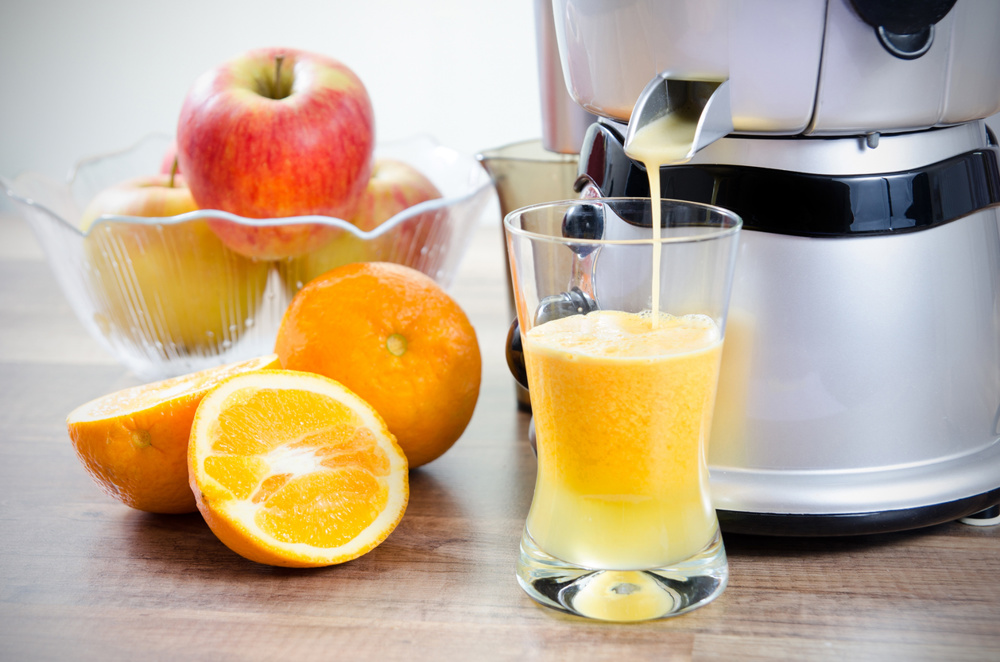
Juicing has a few surprises most people never consider. While it’s often associated with health routines and wellness culture, the way juice is made—and consumed—can significantly change what your body actually gets. High-speed centrifugal juicers, for example, generate heat that can reduce certain nutrients quickly, while slower cold-press methods are designed to preserve more of what’s inside the produce.
But juicing isn’t just about science. It has a long history, dating back to around 150 BC, when early communities mashed fruits like pomegranates and figs for energy and nourishment. Today, it exists at the intersection of nutrition, technology, and lifestyle—shaped as much by social media as by biology.
How Juicing Delivers Nutrients Differently Than Whole Food
When you juice fruits and vegetables, the process strips out the fiber and leaves you with a concentrated liquid of water, vitamins, minerals, and sugars. Understanding fiber dynamics helps explain why this matters — fiber normally slows digestion, regulates blood sugar, and paces nutrient release. Without it, your body absorbs everything at once, making absorption timing markedly faster than with whole foods.
This rapid uptake floods your system with sugars and nutrients simultaneously, triggering insulin spikes and leaving you feeling fatigued and hungry shortly after. While juicing does concentrate antioxidants and certain phytonutrients, it discards fiber-bound nutrients along with the pulp.
Whole foods naturally maintain that fiber, supporting steadier digestion and more stable blood sugar responses than juice ever can. Because of nutrient breakdown from light and air exposure, juice is best consumed within 15 minutes of preparation. Tracking your juice intake alongside your other meals can help you stay within your daily calorie targets and ensure your macronutrient ratios align with your health goals.
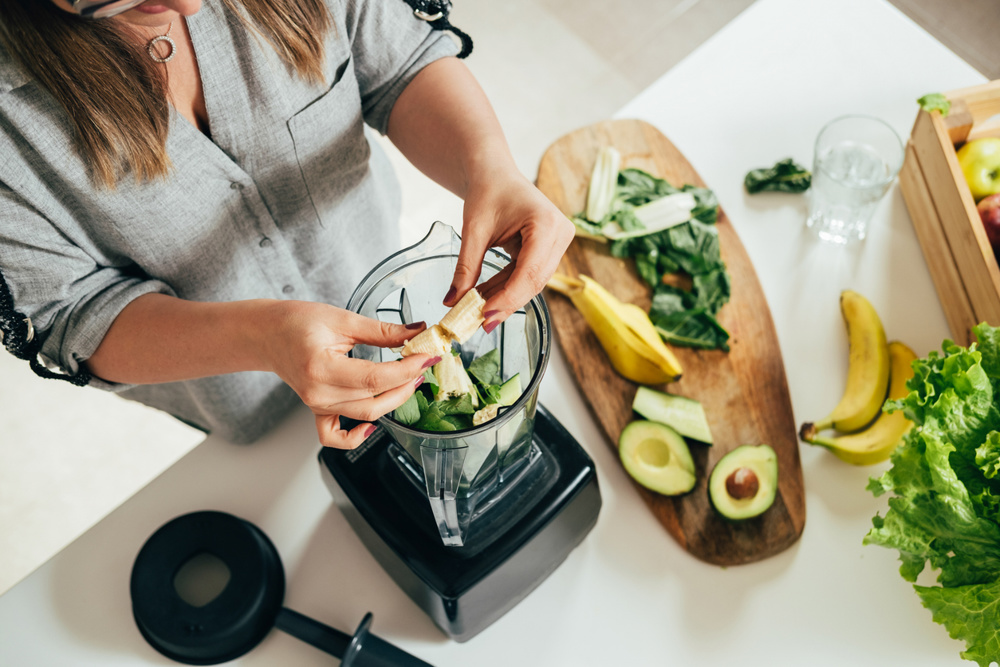
Juicing vs. Blending: Which One Actually Serves You Better?
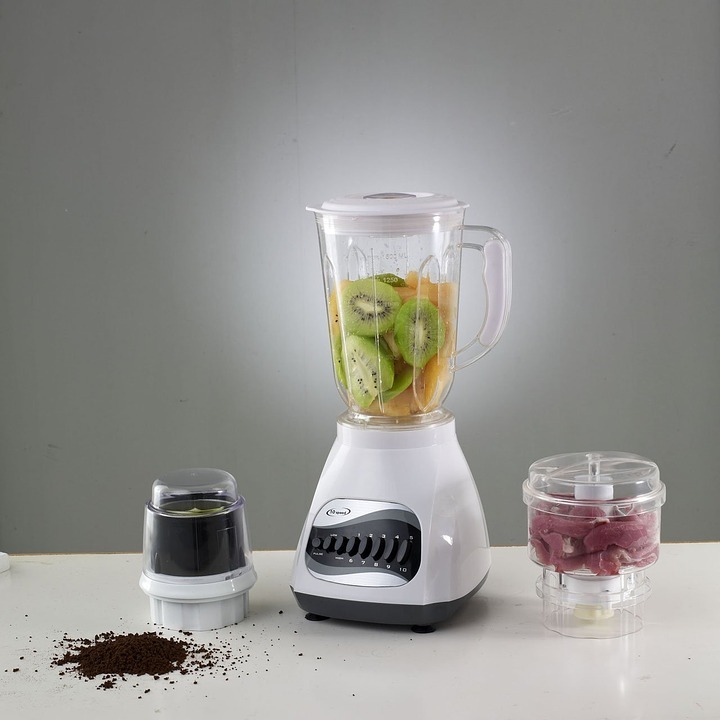
Both juicing and blending extract nutrients from fruits and vegetables, but they serve your body in fundamentally different ways. Juicing removes all fiber, delivering concentrated vitamins rapidly into your bloodstream — a clear speed convenience advantage for quick nutrient absorption. It's ideal if you have malabsorptive conditions or need a fast vitamin boost.
However, fiber tradeoffs matter considerably. Blending retains all soluble and insoluble fiber, stabilizing blood sugar, supporting digestion, and reducing risks of obesity and cardiovascular disease. Blended drinks also preserve up to 20% more antioxidants than juiced versions.
Your best approach depends on your health goals. Alternate between both methods — juice when you need rapid nutrient delivery, blend when you want sustained energy, fiber benefits, and stronger antioxidant protection. Unlike juicing, blending allows you to incorporate healthy additions like avocado, nut butters, seeds, and omega-3 oils to further support brain health and reduce inflammation.
Hungry for knowledge? Serve yourself another round of juicing facts and trivia.
Why Juicing Supports Nutrition: And Where It Falls Short
Juicing offers real benefits, especially when it comes to increasing fruit and vegetable intake. It provides an easy way to consume a variety of ingredients in a single serving, which can be helpful for people with busy schedules or limited access to fresh meals.
It can also feel lighter than eating whole foods, which makes it appealing as part of morning routines or between meals. Ingredients like citrus, leafy greens, and beets are commonly used because they blend well and create balanced flavors. However, juicing has limitations. Without fiber, it doesn’t provide the same level of fullness as whole foods.
It also lacks protein and fats, which are important for a more complete nutritional profile. This doesn’t make juicing ineffective—it just defines its role. It works best as an addition to a broader diet, not as a replacement for it. Understanding that distinction helps prevent overreliance while still allowing you to benefit from what juicing does well.
Does Your Juicing Method Change What You Actually Get?
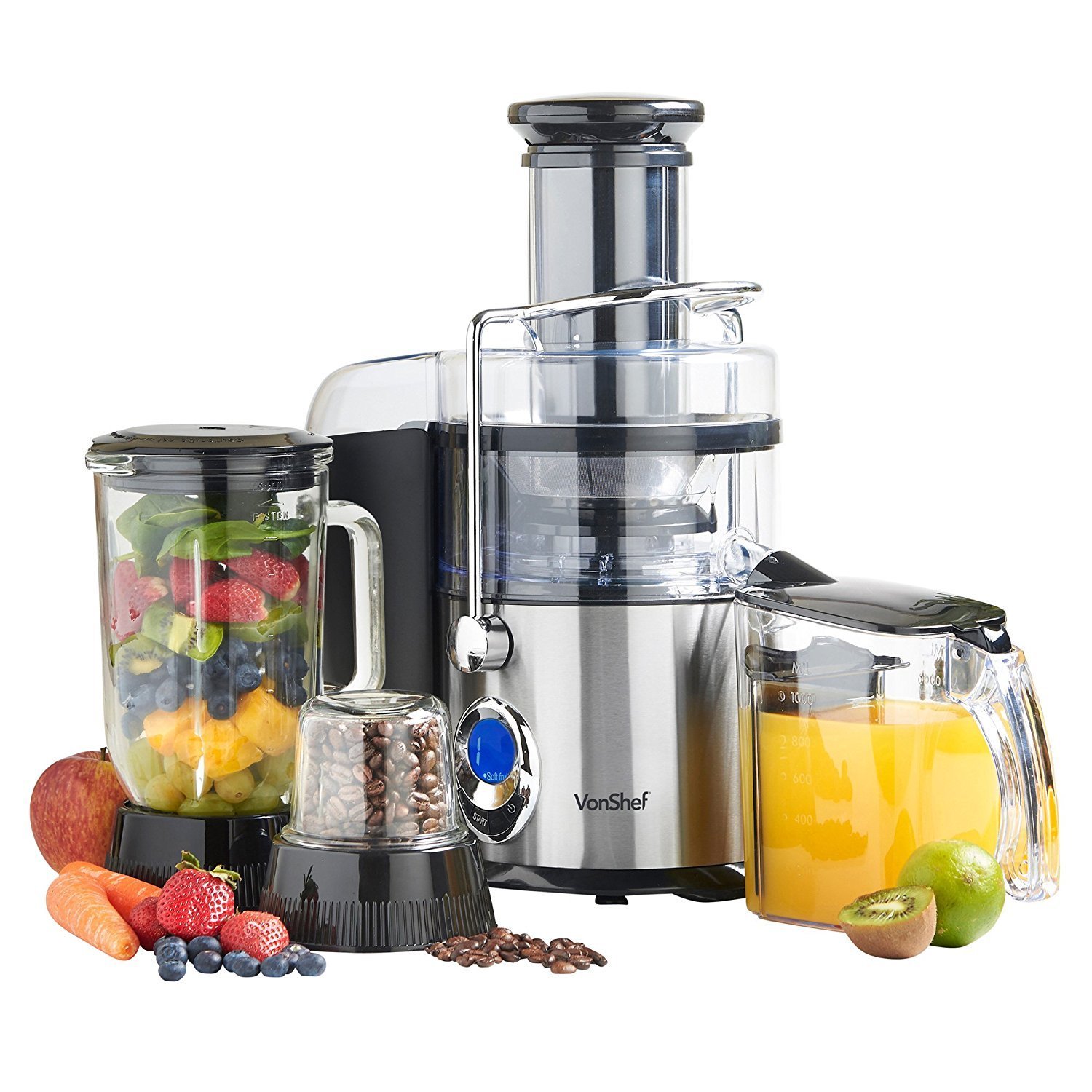
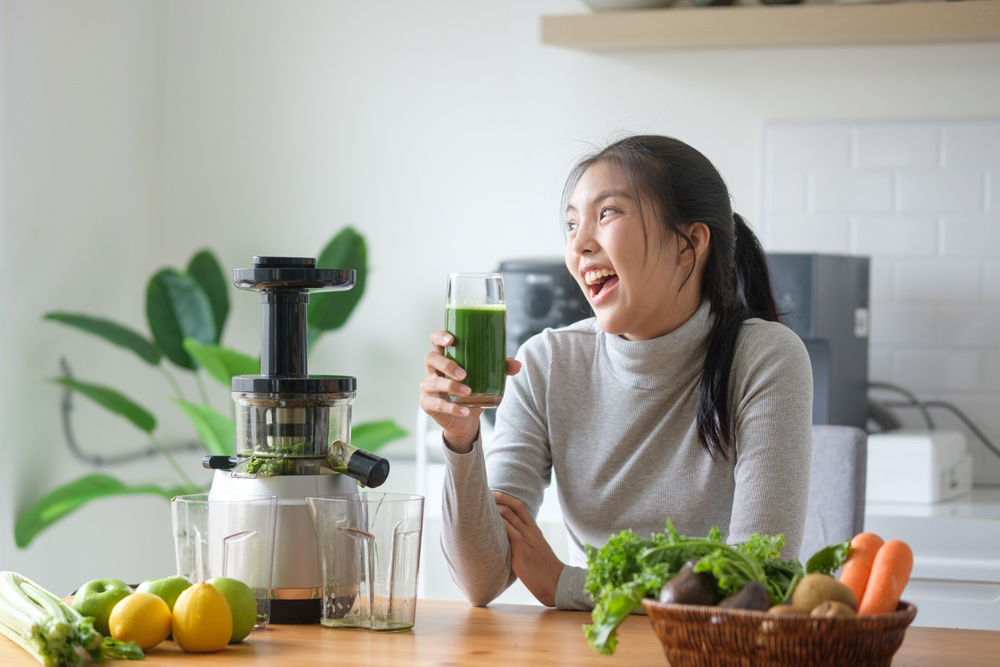
The method you choose to juice directly shapes the nutritional value you actually get. Processing temperature plays a major role — high-speed centrifugal juicers spin at 6,000–14,000 RPM, generating heat up to 140°F and destroying up to 60% of vitamin C within minutes. Cold-press methods, by contrast, retain 91% average nutrient retention and 87% vitamin C even after 24-hour storage.
Particle size matters too. Blending keeps fiber intact, yielding higher α-amylase inhibitors that help reduce post-meal blood sugar spikes. Low-speed juicing produces the most diverse antioxidants and phenolics. Cold-press preserves 2–3 times more enzyme activity than centrifugal methods.
Simply put, your juicer isn't just equipment — it's determining how much nutritional benefit actually reaches your body. Researchers tested 19 different vegetables across a range of colors, varieties, and production systems to determine which juicing technique best preserves their nutritional value.
How to Drink and Store Juice Without Losing Nutrients
Once your juice is extracted, how you store and consume it determines how much nutritional value you actually preserve. Use airtight storage in glass containers filled to the top, minimizing headspace oxygen. Refrigerate immediately between 35–40°F, and consume within 24–72 hours.
Try lemon preservation by adding citric acid to slow oxidation, especially for quick-browning fruits like apples and peaches.
- Airtight glass containers prevent oxygen exposure and chemical leaching better than plastic
- Lemon juice acts as a natural preservative, delaying browning and vitamin breakdown
- Vacuum sealing extends fridge life from 72 hours to 5–7 days
For longer storage, freeze juice in small portions, thawing only what you need. Frozen juice remains at peak quality for up to 2–3 months before nutrient and flavor degradation becomes noticeable. Consume fresh whenever possible since vitamin C degrades fastest during storage.
How Juicing Evolved From Fringe Practice to Daily Habit
Juicing’s history stretches far beyond modern wellness culture. Early practices involved manually extracting liquid from fruits for energy and preservation, long before specialized tools existed. In ancient communities, this process wasn’t about optimization or trends—it was about survival, nourishment, and making use of available resources in the simplest way possible.
As technology advanced, so did accessibility. By the early to mid-20th century, industrial food processing introduced bottled and packaged juices to a wider audience. Orange juice, in particular, became a household staple, promoted as both convenient and nutritious. This marked a major shift: juice was no longer something you made occasionally—it became something you could consume daily without effort.
The late 20th and early 21st centuries brought another transformation. With the rise of home appliances like blenders and juicers, people regained control over the process. At the same time, wellness culture began to emphasize fresh ingredients, natural routines, and self-care practices. Juicing fits perfectly into that narrative, offering a simple way to participate in a healthier lifestyle.
How Social Media Turned Juicing Into a Lifestyle Trend
Social media played a major role in transforming juicing from a private routine into a public one. Platforms like Instagram and TikTok didn’t just showcase juice—they reshaped how it was perceived. What used to be a functional habit became something visual, aesthetic, and shareable.
Color became one of the most defining elements. Bright green juices, deep red blends, and layered fruit combinations created striking visuals that stood out in feeds. Presentation mattered just as much as ingredients. A neatly arranged countertop, a clear glass, or a clean pouring shot turned an everyday act into content.
This visual language communicated more than nutrition. It suggested discipline, balance, and control—qualities often associated with wellness culture. A simple glass of juice could imply a structured routine or a mindful lifestyle, even without explicit explanation.
Juicing as Identity: What Your Drink Says About You
In today’s digital environment, even small habits carry meaning beyond their function. Juicing is one of those habits that has taken on symbolic value, shaped by repeated exposure across platforms.
Different types of juice can suggest different lifestyles. A green vegetable blend is often associated with discipline, routine, and health-conscious behavior. It signals structure—someone who plans, prepares, and prioritizes consistency. In contrast, a vibrant fruit mix can feel more spontaneous and expressive, tied to creativity and enjoyment rather than strict routine.
These associations aren’t fixed, but they are widely recognized. Over time, they influence how people present themselves and how others interpret those choices. A simple drink becomes part of a larger visual language, contributing to how identity is communicated online.
The Return of Simplicity in a Fast-Paced Food Culture
Modern food culture is defined by speed, convenience, and constant availability. Ingredients can be sourced year-round, meals can be delivered instantly, and routines are often built around efficiency. Within that environment, there’s a growing desire for something slower and more intentional.
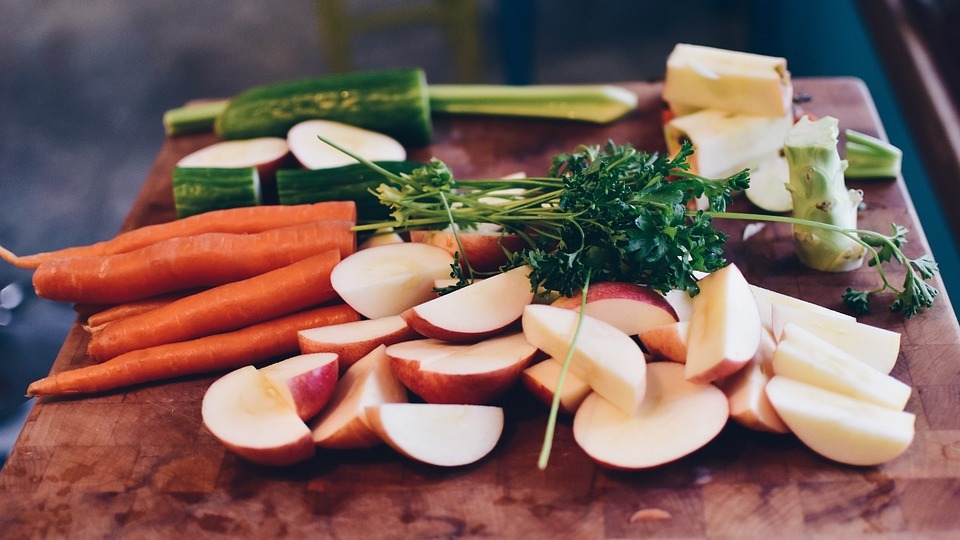
Juicing fits into this shift by offering a simple, repeatable process. It requires a small amount of preparation—washing, cutting, blending—but that effort creates a pause in an otherwise fast-moving day. The act itself becomes part of the experience, not just the result.
There’s also a psychological aspect. Engaging in a small, hands-on process can create a sense of control and focus. In a world where many interactions are digital and abstract, working with physical ingredients offers something tangible. It reconnects routine with action.
Conclusion
Juicing is more complex than it first appears. What seems like a simple drink is shaped by method, timing, ingredients, and even cultural trends. From its early origins to its place in modern social media, juicing has evolved into something that blends nutrition with lifestyle.
It reflects how people balance convenience with intention, and how everyday habits become part of broader patterns. Understanding how juicing works—and what it represents—makes it more than just a health choice. It becomes a way to engage with food, routine, and culture all at once. And that’s what makes your next glass more interesting than you might expect.