Austin Juice Trends: Cold-Pressed & Green Cleaners

Austin's cold-pressed juice scene has exploded with brands like JuiceLand and Alchemy Juice leading the charge. You'll find nutrient-dense beverages made with locally sourced ingredients and extracted via hydraulic press to maximize vitamin retention.
Many of these establishments prioritize sustainability through composting initiatives and green cleaning methods, using vinegar, baking soda, and essential oils instead of harsher chemicals whenever possible. The movement represents Austin's distinctive blend of wellness culture, environmental consciousness, and Instagram-worthy presentation.
The Rise of Cold-Pressed Juice Culture in Austin
While health trends come and go in many cities, Austin has embraced cold-pressed juice culture with particular enthusiasm, transforming it from a niche offering to a mainstream phenomenon. You'll find juice bars like JuiceLand and Alchemy Juice in many neighborhoods, with their distinctive juice bar aesthetics that blend wellness with Instagram-worthy presentation. Clean Juice at 6611 S MoPac Expy has become another popular destination offering USDA-certified organic options for health-conscious consumers.
Many establishments proudly showcase relationships with Texas farmers, helping ingredients maintain freshness and supporting the local economy. Beyond dedicated juice bars, you'll discover cold-pressed options appearing in coffee shops and boutique groceries across the city. This widespread availability reflects Austin's integration of these nutrient-dense beverages into daily routines, rather than treating them as occasional indulgences.
Nutritional Benefits That Drive the Cold-Pressed Movement
Despite the sometimes exaggerated health claims surrounding juice trends, cold-pressed juices offer genuine nutritional advantages that clarify their popularity in Austin's wellness community. When you drink cold-pressed juice, you're consuming high levels of vitamins, minerals, and phytochemicals thanks to the heat-free extraction process, which helps preserve delicate antioxidants and flavor for several days when properly refrigerated.
This unique hydraulic press extraction method is designed to retain more nutrients than many traditional high-speed juicing methods.
- Vibrant emerald-green kale juices delivering immune-supporting vitamin C and folate
- Ruby-red beet concoctions flowing with inflammation-conscious polyphenols
- Sunny orange carrot blends packed with vision-supporting carotenoids
- Refreshing cucumber-celery combinations providing rapid hydration
While these juices lack the fiber that supports gut microbiome benefits, they offer exceptional nutrient bioavailability and quick absorption. For weight management, opt for vegetable-focused blends with lower sugar content to keep overall calories and natural sugars in check.
From Farm to Bottle: The Cold-Pressing Process Explained
Every bottle of cold-pressed juice in Austin's specialty shops begins with a meticulous extraction process that preserves nature's nutrients. Your juice starts when fresh produce is shredded into pulp and loaded into cloth bags for pressing. Unlike high-speed blenders that generate noticeable heat, this method uses slow hydraulic pressure between two plates—an efficient technique that minimizes oxidation.
After pressing, the collected juice often undergoes shelf-life extension through High Pressure Processing (HPP) or gentle pasteurization, which can extend freshness to several weeks—often around 30 days or more for some products—while maintaining food safety and much of the nutritional integrity.
Without these preservation methods, most unpasteurized cold-pressed juices are best consumed within a few days and are typically not sold beyond about 3–5 days under proper refrigeration. The juice passes through a steel mesh filter that effectively separates the liquid from most of the fiber content during the hydraulic pressing stage.
You'll notice cold-pressed juices offer a clearer appearance, clean flavor, and strong nutrient retention compared with many conventional juicing methods—explaining why Austin's health-conscious consumers continue embracing this premium extraction process.
Local Austin Brands Leading the Cold-Pressed Revolution
Austin's passion for cold-pressed quality has sparked a flourishing local juice scene where several standout brands have captured the market with their commitment to fresh, carefully sourced ingredients. You'll find companies like JuiceLand, Alchemy Juice, and Pressed Juicery offering distinctive product lines that cater to health-conscious Austinites.
These trailblazers differentiate themselves through:
- Glass bottle or reusable packaging programs that bring farm-fresh nutrition straight to your doorstep
- Scientifically designed cleanse programs targeting everything from gut health to immune support
- Brand community partnerships that support local farmers and sustainable agriculture
- Specialized wellness shots packed with concentrated nutrients for on-the-go health boosts
Many local producers focus on raw or minimally processed recipes while others use HPP to reach a wider market, and together they reflect Austin's commitment to clean living. These companies offer juice cleanse options ranging from 1-day to 5-day plans designed to help reset daily habits and encourage more fruit-and-vegetable intake.
Sustainability Practices in Austin's Juice Industry
Green initiatives permeate the core of Austin's juice industry, where environmental responsibility has become as essential as the nutritional benefits of the products themselves. You'll find juice bars actively participating in Austin-area composting efforts, with businesses like JuiceLand making nut milks in-house to reduce packaging waste and support closed-loop production.
Many shops have embraced renewable energy sources and Energy Star–rated appliances to lower their carbon footprint. Austin's now-closed Compost Pedallers program once helped divert roughly 1.2 million pounds of organic waste from landfills using bike-powered collection, demonstrating how local partners can help small businesses manage food scraps sustainably.
Several juice companies now prioritize regenerative farming practices through partnerships with local farmers. You'll even get discounts at some establishments when you bring your own reusable cups.
This commitment extends to ingredient sourcing, with priority given to local organic produce that supports regional agriculture while reducing transportation emissions—all aligning with Austin's broader vision for a sustainable food system.
Green Cleaning Methods in Modern Juice Production
Behind the invigorating taste of your favorite Austin juice lies a meticulous cleaning process that's undergone a remarkable evolution. Today's juice producers increasingly embrace natural antimicrobial agents like vinegar, baking soda, plant-based detergents, and essential oils that effectively sanitize without leaving harsh chemical residues.
You'll find these eco-conscious practices at work through:
- Microfiber cloths gliding across stainless steel surfaces, capturing particles without aggressive solvents
- Plant-based cleaners foaming gently on juice presses, breaking down organic matter
- Essential oil sprays adding mild antimicrobial support on food-contact-safe exterior surfaces
- Biodegradable solutions circulating through closed-loop cleaning systems, minimizing water waste
These methods help guarantee product safety while delivering reduced environmental impact—protecting both your health and Austin's precious water systems from unnecessary chemical pollution. Juice producers still rely on properly hot water and, when required, approved sanitizers for critical steps, because higher temperatures and validated products significantly enhance the effectiveness of their green cleaning protocols.
Popular Cold-Pressed Juice Flavors Among Austinites
What's fueling Austin's vibrant wellness scene? Look no further than the explosion of cold-pressed juice bars offering unique flavor profiles that captivate local palates. Citrus-forward options like blood orange and ruby red grapefruit remain popular for their bright taste and vitamin C content, while three-citrus blends showcase Austin's flavor-blending creativity.
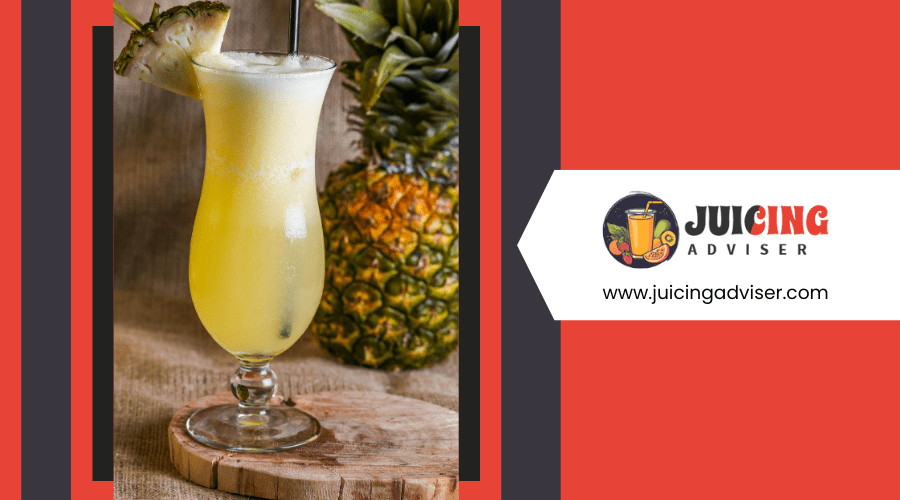
Green juices aren't just healthy—they're stimulating. Wonky Blends' Green Lightning with chia sprinkles transforms nutrition into an experience, layering texture over classic greens-and-fruit bases. Alchemy Juice delivers therapeutic-style benefits with bottles that pack roughly two pounds of produce into each 16 oz serving. Fruit-forward options like pineapple and watermelon agua frescas provide rejuvenating hydration perfect for Austin's heat.
The wellness-driven market continues expanding with specialized functional blends targeting everything from gut health to post-workout recovery. Whether you're grabbing a morning detox blend of carrot, beet, and ginger or a protein-packed açaí smoothie, Austin's juice scene delivers nutrition with creativity.
Health-Conscious Consumer Demographics in Austin
While Austin's juice scene flourishes, a closer look at who's driving this wellness trend reveals fascinating demographic patterns. The city's health-conscious consumers span generations, with many Baby Boomers, Millennials, and Gen Z residents all seeking convenient ways to support active lifestyles through nutritious options. Austin's relatively high median household incomes and education levels compared with Texas averages support demand for premium wellness products, and these consumers often actively seek eco-friendly, sustainable options when making their juice and wellness purchases.
- Baby Boomers filling reusable bottles with vibrant green juices at farmers' markets
- Millennials snapping Instagram photos of colorful juice flights at East Austin cafés
- Young professionals browsing cold-pressed options in sleek Downtown storefronts
- Active seniors selecting anti-inflammatory blends at neighborhood juice bars
Despite this thriving market, socioeconomic disparities in nutritional access and health outcomes persist in parts of the region, where geographic and income differences can limit convenient access to fresh, premium-priced wellness products.
Community-focused programs and mobile markets continue working to narrow these gaps so that Austin's wellness boom becomes more inclusive.
Regulatory Standards Ensuring Quality in Austin's Juice Market
The robust growth of Austin's juice market exists alongside thorough regulatory frameworks that protect consumers and elevate industry standards. You'll find that all commercial juice producers must comply with the FDA's 5-log pathogen reduction requirement, whether through pasteurization, HPP, or equivalent validated processes laid out under federal Juice HACCP regulations.
Texas and local rules are particularly clear about food safety, and shelf-unstable juices made from fresh fruits or vegetables generally cannot be sold under the state's cottage food law from a home kitchen. If you're considering entering the market, you'll need to operate from a permitted commercial kitchen and obtain appropriate state and local permits.
Local producers must also implement juice HACCP plans that identify and mitigate potential hazards throughout their production process, including microbiological risks and sanitation controls.
These standards aren't just bureaucratic hurdles—they're essential safeguards ensuring the cold-pressed juice you enjoy meets safety protocols while preserving the nutritional benefits that attract Austin's health-conscious consumers.