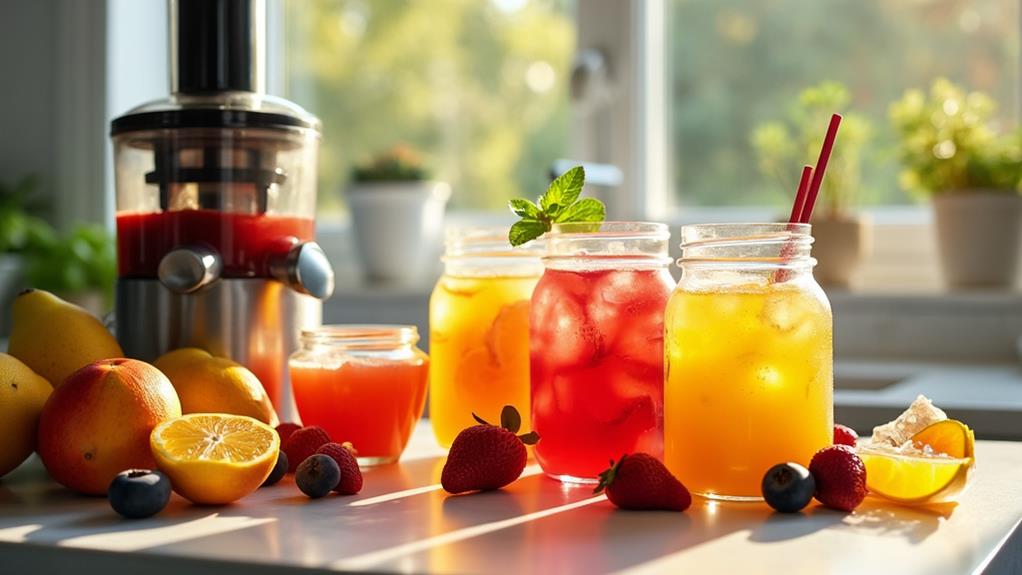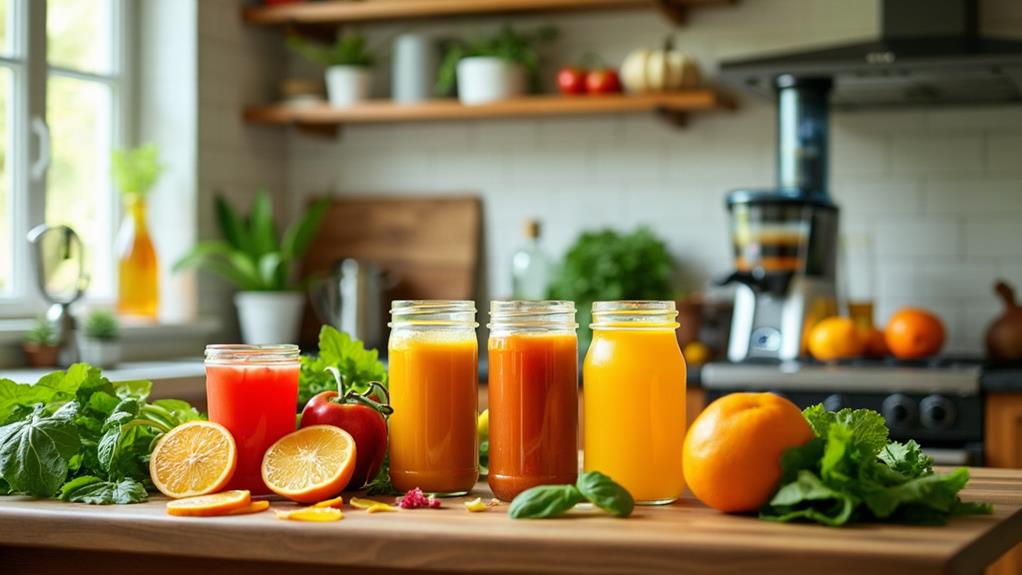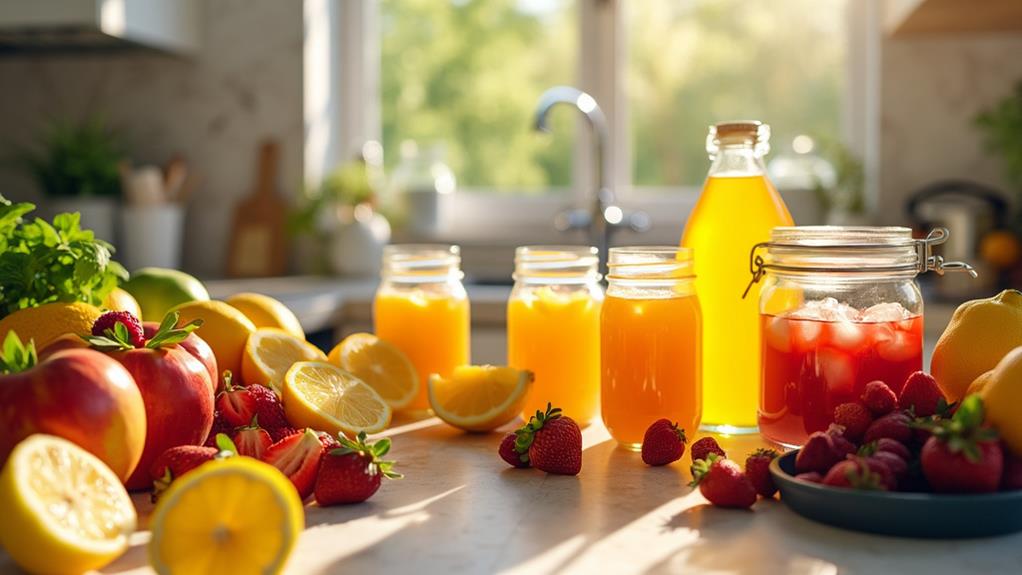
Outdoor Juicing Tips for Hikes and Nature Trips in Texas

When preparing for hikes in Texas, fresh juice can be a useful supplement for hydration and quick energy—if handled properly. Drinking juice 30–60 minutes before your hike helps your body absorb nutrients without causing discomfort during activity. While fresh juice can provide natural sugars and electrolytes, it should complement—not replace—water, especially in Texas heat where hydration needs are significantly higher.
Should You Juice Before Your Hike or On the Trail?
Timing matters when incorporating juice into your hiking routine. Drinking juice before your hike allows your body to absorb nutrients efficiently while avoiding digestive discomfort during movement. On-trail consumption is possible but less practical. Digestion slows during physical activity, and heat increases the risk of spoilage. If you bring juice, stick to small portions during rest breaks rather than continuous sipping. For most Texas hikes, pre-hike consumption paired with water during the trek is the safest and most effective approach.
Fresh Juice vs. Sports Drinks: What Works Best in Texas Heat
Fresh juice offers natural sugars, vitamins, and some electrolytes like potassium. However, it does not fully replace electrolyte solutions designed for endurance activity. Sports drinks or electrolyte mixes typically contain sodium, which is critical for preventing dehydration and heat-related illness. Fresh juice can still be beneficial when diluted with water, helping balance sugar content while improving hydration. A practical approach is to alternate between:
- Water for primary hydration
- Diluted juice or electrolyte drinks for energy and mineral support
Choosing Portable Juicers That Work Without Electricity
If you plan to prepare juice outdoors, manual tools are your best option. Compact press-style juicers, such as handheld citrus presses, are lightweight and easy to pack. Look for features like:
- Durable aluminum or stainless steel construction
- Built-in seed strainers
- Compact, easy-to-clean designs
However, for most hikes, it’s more efficient to prepare juice in advance rather than carrying equipment on the trail. Heat-Stable Produce That Travels Well
View this post on Instagram
Texas heat can quickly spoil fresh produce, so choosing durable ingredients is essential. Good options include:
- Citrus fruits (oranges, lemons, limes)
- Apples and carrots
- Ginger and beets
These ingredients hold up better without refrigeration compared to delicate greens or berries. Avoid highly perishable items like leafy greens unless stored in a well-insulated cooler. Keeping Juice Cold on Texas Trails Maintaining safe temperatures is critical for both quality and safety. Use lightweight strategies to keep juice cool:
- Freeze juice in bottles overnight
- Use insulated bottles or sleeves
- Store containers in shaded areas of your pack
- Add frozen fruit like berries to help regulate temperature
Whenever possible, consume juice within the first few hours of your hike. Essential Gear for Carrying Juice on the Trail
View this post on Instagram
The right gear helps maintain temperature, reduce weight, and improve convenience when bringing juice outdoors. Insulated bottles like Hydro Flask or YETI Rambler models are widely used for their ability to keep liquids cold for several hours, even in Texas heat. Hydration packs from brands like CamelBak or Osprey allow you to carry water comfortably while freeing up space for smaller juice containers. Additional helpful items include:
- Lightweight cooler sleeves or thermal wraps
- Leak-proof containers to prevent spills
- Compact ice packs or frozen fruit for passive cooling
Choosing efficient gear ensures your juice stays safe to drink without adding unnecessary bulk. How Much Juice Should You Carry? Juice should be treated as a supplement rather than your main hydration source. A practical guideline is:
- 8–12 ounces of juice per day hike, diluted with water
- The majority of your fluid intake should still be water
Because liquids add weight, carrying excessive juice can reduce efficiency on longer hikes.
Seasonal Juicing Tips for Texas Climate
Texas weather varies widely, so adjust your approach depending on the season. Summer (90°F+): Focus on citrus-based juices and diluted blends. Freeze bottles in advance and consume early to avoid spoilage. Winter (mild temperatures): Juice lasts longer, allowing for more flexibility. Green juices can be carried safely for longer periods. Spring and Fall: Moderate conditions make it easier to carry fresh juice, but midday heat can still impact storage.
Preventing Bacterial Growth in Fresh Juice
Fresh juice is highly perishable, especially in warm conditions. To reduce risk:
- Add lemon or lime juice to increase acidity
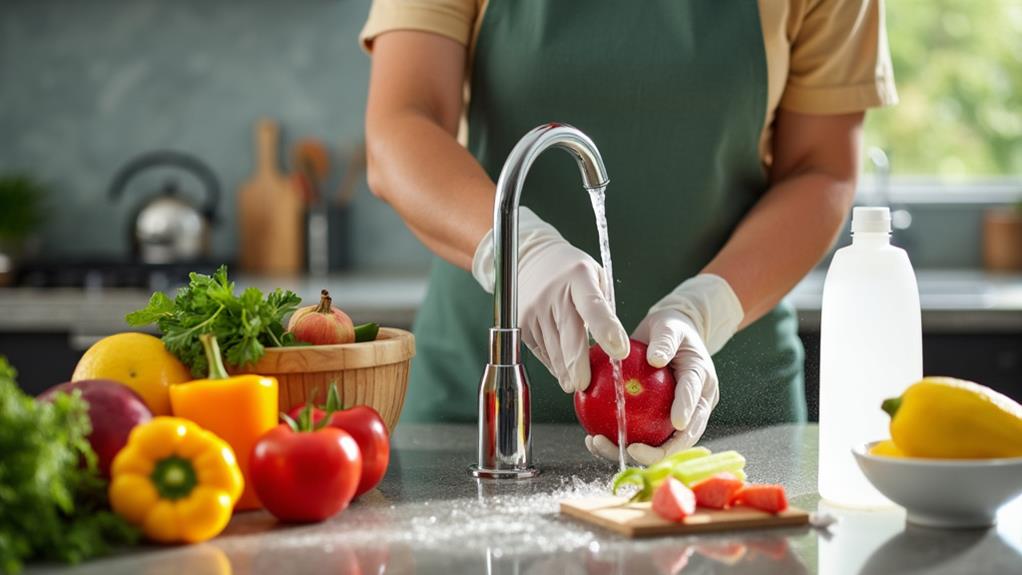
- Use clean containers and preparation surfaces
- Keep juice cold and sealed tightly
- Avoid storing for extended periods
In Texas heat, it’s safest to consume juice within 2–4 hours unless properly refrigerated.
Diluting Juice for Better Hydration
Dilution improves both hydration and digestibility. A recommended ratio is:
- 1 part juice to 2–3 parts water
This reduces sugar concentration while still providing flavor and nutrients. Adding a small pinch of salt can help replenish sodium lost through sweat.
Packing Citrus for Natural Electrolytes
Whole citrus fruits are one of the most practical additions to your hiking kit. They are lightweight, durable, and naturally rich in electrolytes. Use them to:
- Flavor water
- Create simple electrolyte drinks with salt
- Provide quick energy during breaks
They also store well without refrigeration, making them ideal for Texas trails.